What we fit
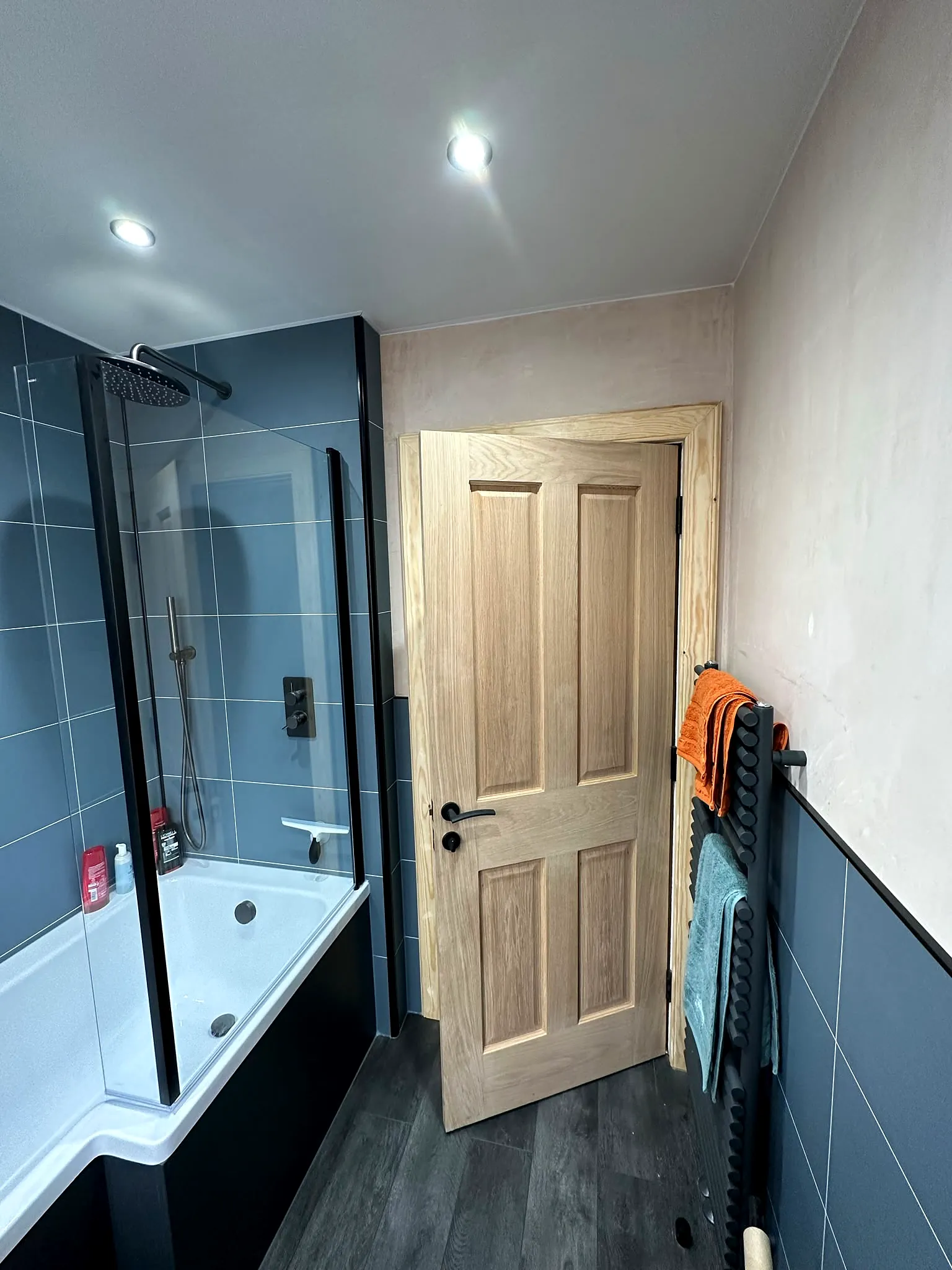
- Internal doors: panelled, flush, glazed, painted or oak
- Hinges, latches, handles and locks
- New door linings where the old frame is twisted or damaged
- Facings (architrave) round doors and openings
- Skirting through a room or a whole house
- Window boards, boxing-in and other finishing joinery
How a door should be hung
The gap round a door should be even, roughly the thickness of a pound coin, down both sides and across the top. We plane the door to the frame rather than forcing the frame to suit the door, cut the hinges in cleanly, and set the keep so the door shuts with a light push and stays shut.
Heavy doors, solid oak especially, get three hinges, not two. Two will carry it for a while, then the top hinge starts to pull and the door drops onto the floor on the latch side.
Seal every edge
A door trimmed to fit has bare timber on its top and bottom edges. Left unsealed, those edges draw in moisture, and with the damp air in most Dumfries houses over winter, the door swells and starts sticking by January. We seal cut edges before the door is hung. Most door makers require it for their guarantee anyway.
Older houses
In older houses nothing is square. Frames lean, floors fall towards the middle of the house, and the original skirting is often a deep moulded profile nobody stocks any more. We hang the door so it looks right in the opening, which sometimes means it can’t be perfectly plumb, and we match existing skirting and facings as closely as available profiles allow.
New floor coming?
If carpet, laminate or tiles are going down after the doors, tell us what and how thick before we hang them. Doors trimmed for the old floor will catch on the new one. If the floor goes in later, we take the doors off and trim them once it’s down. See flooring installation.
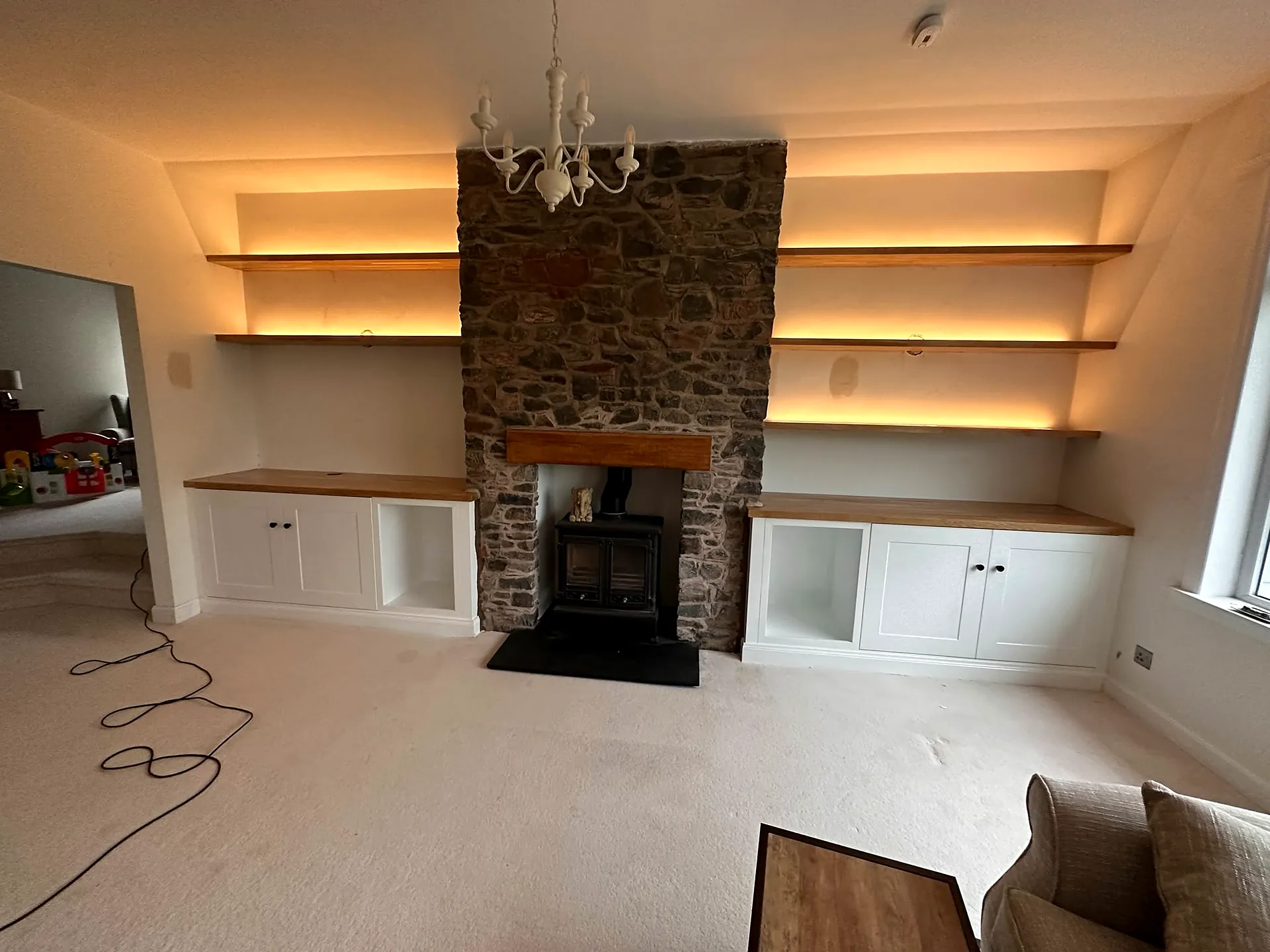
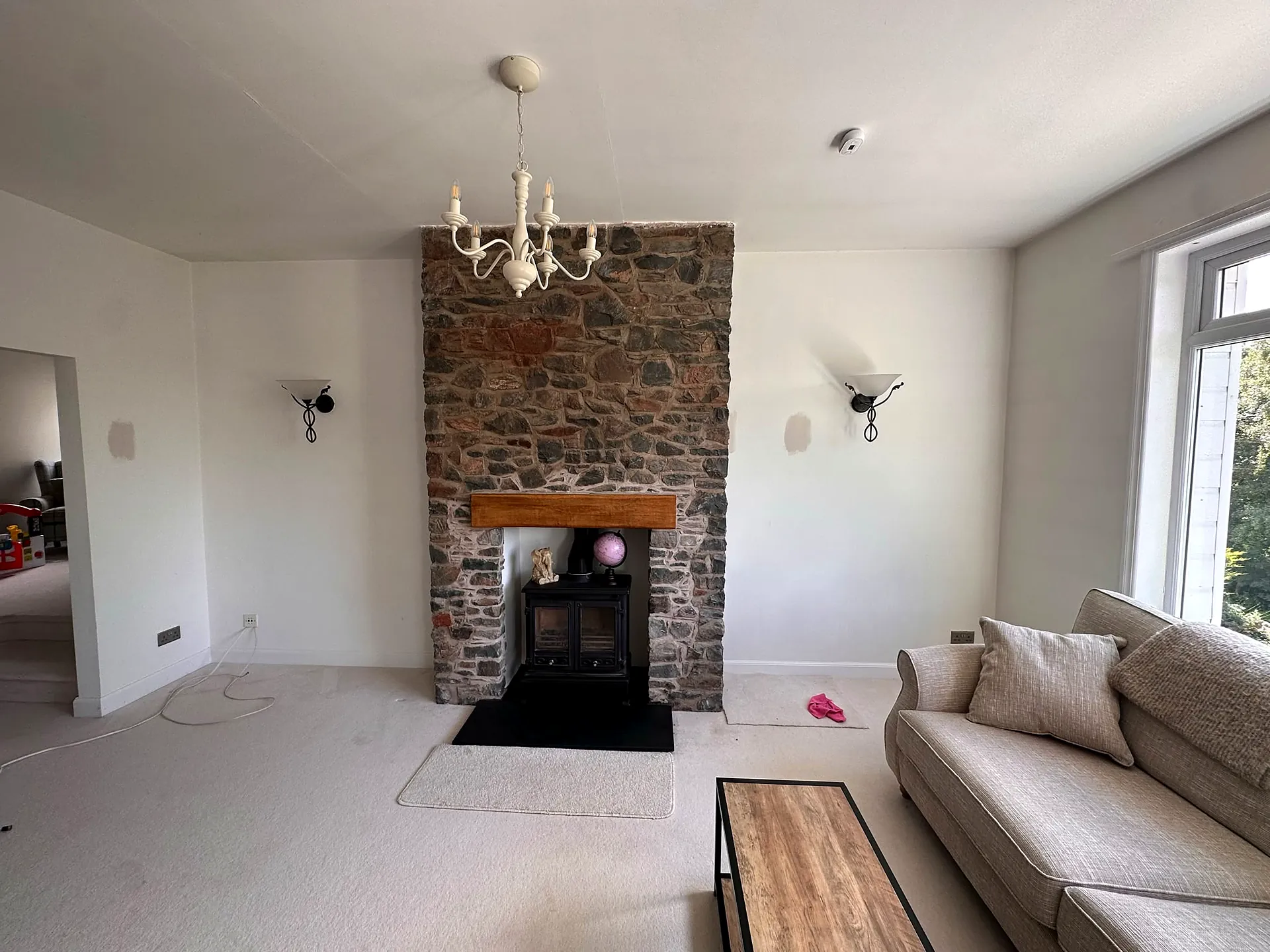
Recent work
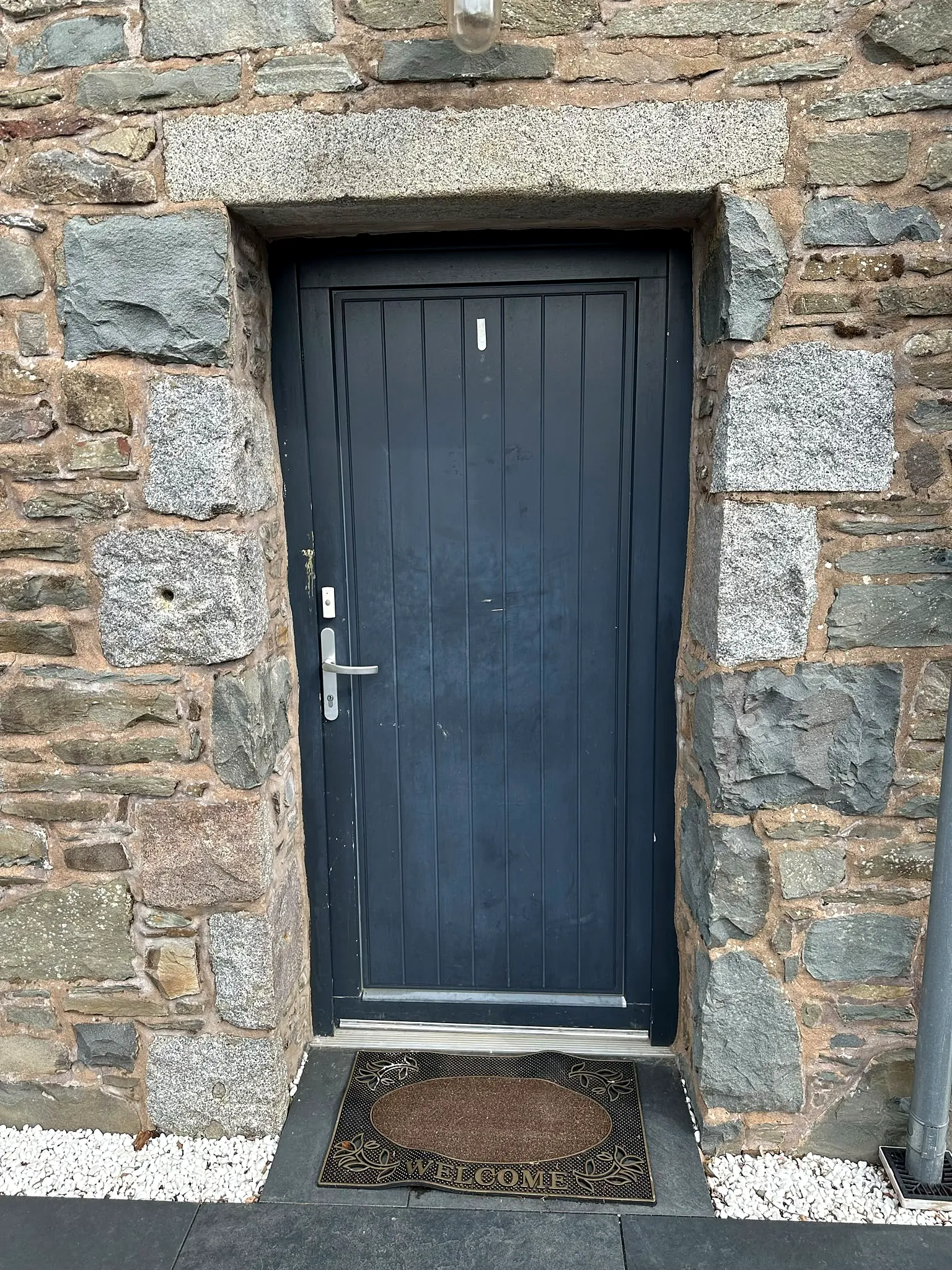
Common questions
Can you hang doors I’ve already bought?
Yes. Before buying, measure the lining, not the old door, because old doors were often cut down years ago. If you’re unsure, we’ll measure for you.